
Description
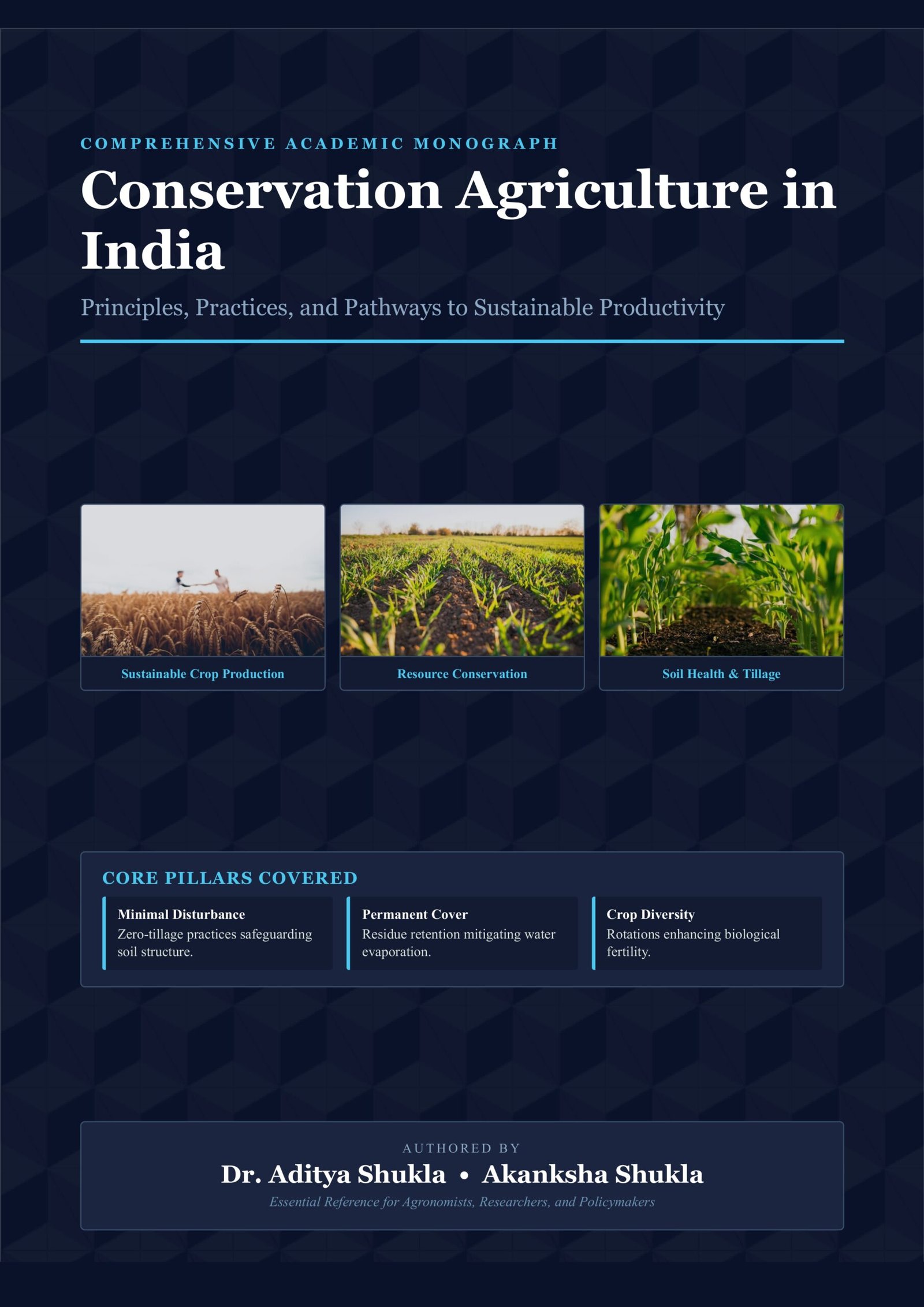
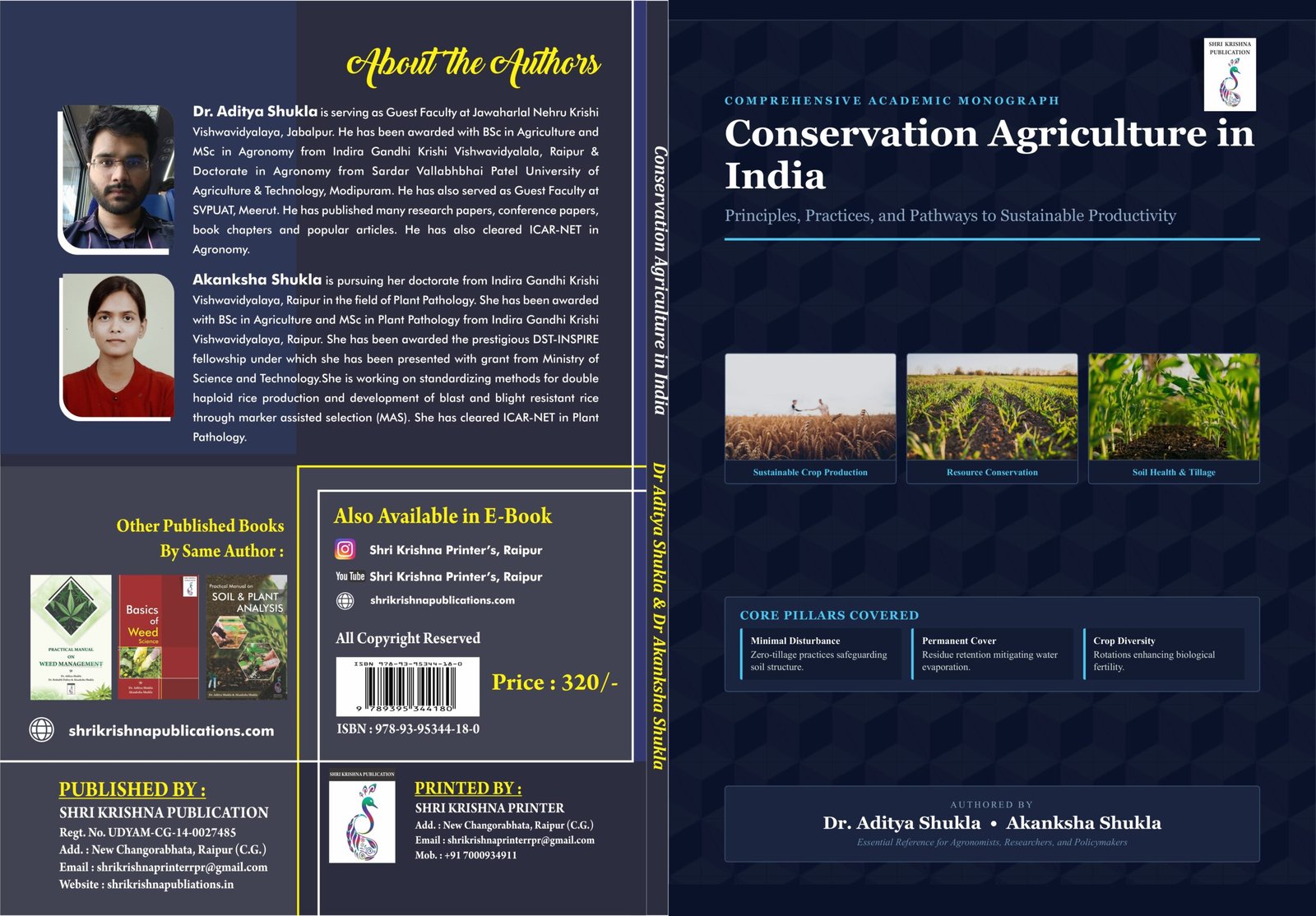
Conservation Agriculture in India – Principles, Practices and Pathways to Sustainable Productivity.
Conservation Agriculture is often introduced through three principles and then taught as a list of benefits. That approach leaves the most useful questions unanswered. How can soil that is not loosened every season remain productive? Why can retained straw suppress some weeds but make other weed problems more difficult? Why does a favourable wheat response not establish that the entire rice–wheat rotation is under Conservation Agriculture? This book begins with those questions and follows their consequences through machinery, soil processes, crop management and farm economics.
The Indian setting is central. A rice grower in Punjab, a smallholder seeking timely wheat establishment in Bihar and a farmer managing a cracking clay soil in central India face different constraints. They cannot be served by an identical package. The purpose of the book is to help students and practitioners understand the principles well enough to recognise where a practice fits, what must accompany it and what evidence would justify changing it.
The main conclusion is that Conservation Agriculture is a potentially valuable way of organising crop production, but its performance depends on the system built around it. Eliminating tillage does not eliminate management. It changes the location and timing of management, including decisions about weeds, residues, drainage, nutrients and machinery access. Good agronomy therefore matters more than a label.
Reviews
There are no reviews yet.